



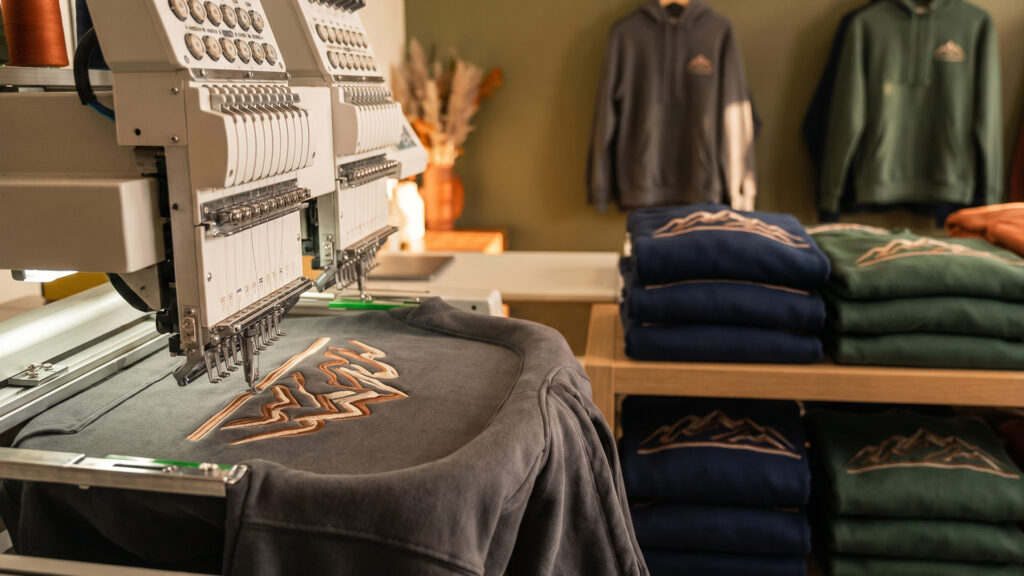
A practical guide for brand owners and apparel buyers who want to use embroidery to enhance their hoodie collections.
If you are building a hoodie line and want it to feel premium, embroidery is one of the fastest ways to get there. A stitched logo does something a printed graphic cannot: it adds texture, weight, and a tactile sense of quality that customers can feel before they even try the garment on .
This guide explains why embroidery reads as premium on hoodies, which designs actually work well, and what to watch out for during production. It is written for brand owners, sourcing managers, and anyone making decoration decisions for a hoodie program.
Why Embroidery Signals Premium on Hoodies
Texture Creates Perceived Value
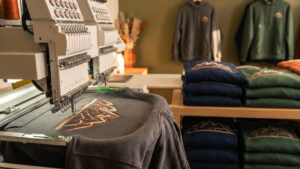
Printing sits on top of the fabric. Embroidery becomes part of it. The raised thread creates a three-dimensional surface that catches light and invites touch. Customers associate this texture with craftsmanship and durability—the same way they associate heavier fabric with better quality .
On a hoodie, this effect is especially strong. Hoodies are already a tactile product. People choose them for comfort and warmth. An embroidered logo on the chest or sleeve reinforces that feeling of substance and intention.
Durability Backs Up the Premium Claim
A printed logo can crack, fade, or peel after repeated washing. Embroidery does not. Thread holds its color and shape through normal wear and washing far better than most print methods . For a garment that customers will wear and wash weekly, this durability matters. A hoodie with an embroidered logo still looks sharp after a year of use. A printed hoodie often does not.
Embroidery Works Best on Heavyweight Hoodies
This is a technical point that directly affects quality. Embroidery requires the fabric to support the tension of stitches. On lightweight hoodies, dense embroidery can pull or distort the fabric. On heavyweight fleece—generally 280 GSM and above—the fabric holds the stitches cleanly without warping .
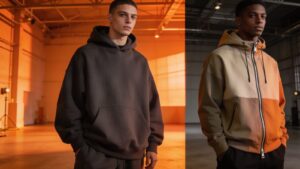
This is why premium hoodie brands gravitate toward embroidery. The hoodie is heavy enough to carry the decoration properly, and the decoration makes the hoodie feel even more substantial. The two reinforce each other.
What Designs Work Best for Hoodie Embroidery
Not every design translates well to embroidery. The technique has real constraints, and ignoring them leads to stiff, bulky, or messy results. Here is what works.
Bold, Simple Logos
The strongest embroidery designs are bold and relatively uncomplicated. Block lettering, simple geometric shapes, and compact logos with clearly defined sections embroider cleanly and look intentional .
Thin outlines, tiny text, and intricate details are difficult to stitch well. They can create gaps, trap backing material, or produce a result that looks cluttered rather than refined. If a logo contains both bold and detailed elements, consider splitting the design: embroider the main lettering and use printing for the fine details .
Left Chest and Small Front Placements
The classic left-chest logo is the safest and most commercially reliable embroidery placement for hoodies. A design roughly 8–12 cm wide sits neatly on the chest without overwhelming the garment or requiring excessive stitch density .
This placement also keeps production costs manageable. Smaller designs mean fewer stitches, faster machine time, and lower per-unit decoration cost. For brands running repeat logo programs, a clean left-chest embroidery is often the most cost-efficient decoration method available .
3D Puff for Streetwear and Statement Pieces
If you want the embroidery itself to be the visual feature, 3D puff embroidery adds a raised layer of foam beneath the stitches. The result is bold, tactile lettering that stands out from the fabric surface .
This technique works best with block lettering, numbers, initials, and simple monograms. It has become popular in streetwear and fashion hoodies because it photographs well and gives a simple design a strong physical presence. However, it requires heavyweight fabric and careful production. Lightweight or stretchy hoodies will distort under the dense stitching .
What to Avoid
- Photorealistic images: Embroidery cannot reproduce fine gradients or photographic detail. The result will look muddy.
- Very small text: Lettering under roughly 5mm tall often becomes unreadable after stitching.
- Designs spanning seams or pockets: Embroidery needs a flat, stable surface. Placing a design across a pocket seam or hood edge creates puckering and alignment problems .
- Overly dense back panels: A large, fully filled embroidery design on the back of a hoodie becomes heavy, stiff, and expensive. If you want a large back graphic, printing is usually the better choice .
Embroidery vs. Printing on Hoodies: A Quick Comparison
| Factor | Embroidery | Printing |
| Perceived quality | Premium, textured, durable | Depends on method and execution |
| Durability | Excellent; resists fading and cracking | Varies; some methods crack or fade over time |
| Best hoodie weight | 280 GSM and above | Works on most weights |
| Best design type | Bold logos, small text, initials | Detailed art, large graphics, gradients |
| Cost driver | Stitch count and machine time | Colors, size, and print method |
| Ideal placement | Left chest, sleeve, small front marks | Back panel, large front graphics |
The practical takeaway: use embroidery for your brand mark and printing for your artwork. A hoodie with an embroidered logo on the chest and a printed graphic on the back uses each method where it performs best .
Production Notes for Brand Owners
Before you approve an embroidery sample, check these points:
Fabric weight matters. Confirm that your hoodie is heavy enough to support the stitch density of your design. If you are unsure, ask for a test stitch-out on the actual fabric before bulk production .
Digitizing is not optional. Embroidery requires a digitized file that tells the machine how to stitch the design. A good digitizer will adjust stitch density, underlay, and path direction to suit the fabric. The same logo can feel soft and premium or stiff and bulky depending on how it is digitized .
Wash the sample. Do not approve an embroidery sample based on appearance alone. Wash it according to the care instructions you plan to give customers. Check for puckering, thread distortion, and whether the backing remains secure .
Stabilization is critical on hoodies. Hoodie fabric stretches. Without proper cut-away stabilizer, the embroidery can distort the garment or sink into the fleece. This is a technical detail, but it is the difference between a clean logo and a puckered mess .
Why Zega Apparel for Embroidered Hoodies
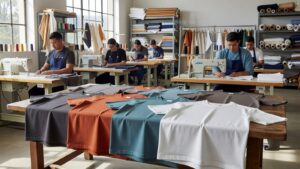
Zega Apparel manufactures custom hoodies with full decoration flexibility, including embroidery, printing, and combined techniques. Our cut-and-sew production means your hoodie is built to your specifications from the start—fabric weight, fit, color, and decoration are all decided before production begins .
For brands that want embroidery as part of their hoodie program, Zega Apparel offers:
- Heavyweight fleece options suitable for dense embroidery without fabric distortion
- Custom cut-and-sew construction so the hoodie is designed for the decoration, not adapted to it
- Low MOQ starting at 200 units for custom hoodie production
- Combined decoration support—embroidery on the chest, printing on the back, or any placement strategy your brand needs
If you are planning an embroidered hoodie line and want production guidance on fabric selection, design sizing, or decoration placement, the Zega Apparel team can help you move from concept to sample to bulk with fewer surprises. Get a Free Quote Now!
Frequently Asked Questions
Is embroidery more expensive than printing on hoodies?
It depends on the design. Small left-chest embroidery is often cost-competitive with printing for repeat logo programs because there is no per-color cost and the decoration is durable. Large, dense embroidery becomes expensive quickly due to stitch count and machine time. For most brands, embroidery is the better value for a brand logo, while printing is more economical for large graphics .
Can you embroider on any hoodie?
No. Embroidery requires fabric that can support stitch tension without distorting. Heavyweight fleece (280 GSM and above) is ideal. Lightweight or highly stretchy hoodies may pucker or warp under dense embroidery. Always test on the actual fabric before bulk production .
What is the best placement for an embroidered logo on a hoodie?
The left chest is the most reliable and commercially proven placement. It keeps the design compact, controls stitch count, and reads clearly without overwhelming the garment. Sleeve placement and small front-center marks also work well. Avoid placing embroidery across seams, pockets, or the hood edge .
How large can an embroidered design be on a hoodie?
For left-chest placement, 8–12 cm wide is typical. Larger back-panel embroidery is possible but increases weight, stiffness, and cost. If you want a large back graphic, printing is usually the better choice .
Does embroidery fade or crack after washing?
Embroidery is significantly more durable than most printing methods. Thread resists fading and does not crack like print films can. However, poor digitizing or insufficient stabilization can cause puckering or distortion over time. Always wash-test an approved sample before bulk production .
Can I combine embroidery and printing on the same hoodie?
Yes. A common and effective approach is embroidery for the brand logo (left chest or sleeve) and printing for a larger graphic or artwork elsewhere on the garment. This uses each method where it performs best and keeps production costs balanced .

