



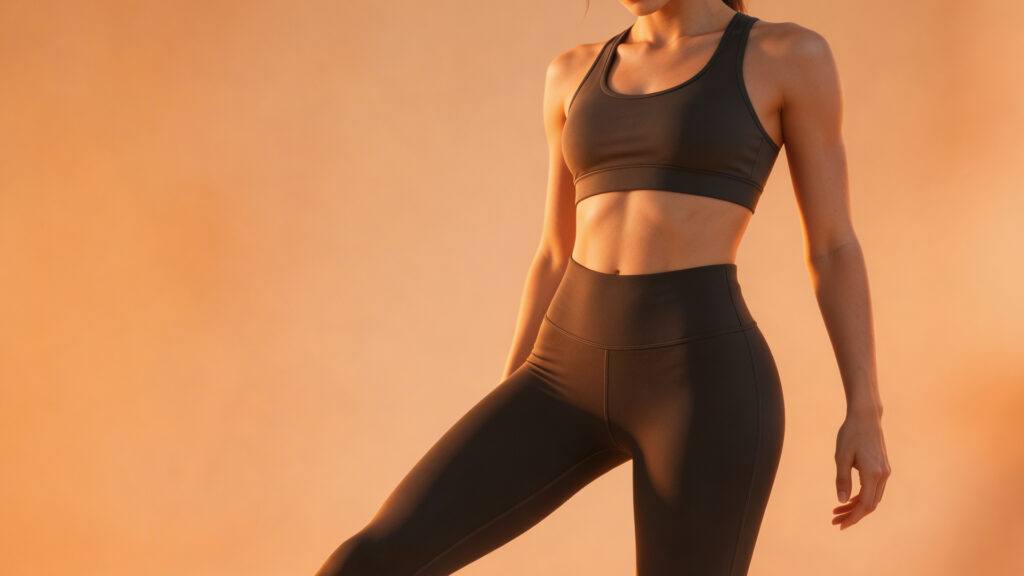
Choosing the right fabric is one of the most important decisions when developing an activewear clothing line. The material affects how a garment feels, stretches, manages sweat, maintains its shape, and performs during exercise.
The best fabrics for activewear manufacturing depend on the product you want to make. Gym leggings need stretch, coverage, and recovery. Running shirts need lightweight comfort and effective moisture management. Sports bras need suitable support, while gym shorts may require durability, flexibility, and breathability.
For clothing brands, selecting the right material before bulk production can help improve product quality and reduce avoidable manufacturing problems.
In this guide, we explain the most common activewear fabric types, their benefits, their limitations, and how to choose the right material for your collection.
What Are the Best Fabrics for Activewear Manufacturing?
The best fabrics for activewear manufacturing commonly include polyester, nylon, spandex, and blends that combine these fibers. Recycled polyester, cotton blends, and other specialty materials can also work for specific products.
Each fabric offers different properties, so the right choice depends on the intended activity, garment design, price point, and performance requirements. Polyester and nylon are often used as the main fibers, while spandex (also called elastane) adds stretch and recovery.
Here is a quick overview:
| Fabric | Best suited for | Main benefit |
| Polyester | Training shirts, running wear, sports jerseys | Lightweight performance and print versatility |
| Nylon | Leggings, sports bras, fitted activewear | Smooth feel and abrasion resistance |
| Spandex / elastane | Stretch leggings, fitted tops, compression garments | Elasticity and recovery |
| Polyester-spandex blend | Gym wear, training tops, stretch bottoms | Performance with flexibility |
| Nylon-spandex blend | Premium leggings and fitted sets | Smooth feel with stretch |
| Cotton blends | Casual gym wear and athleisure | Softness and everyday comfort |
| Recycled polyester | Performance apparel collections | Uses recycled polyester feedstock |
The table provides general guidance. Actual performance depends on the yarn, knit construction, fabric weight, finishing, and garment design.
1. Polyester: A Popular Fabric for Activewear
Polyester is widely used in sportswear and activewear because it can be lightweight, durable, and suitable for many performance applications.
It is commonly used for gym shirts, running tops, sports jerseys, training shorts, and printed activewear.
Benefits of polyester fabric
- Lightweight options for workout clothing
- Good color retention when properly processed
- Fast-drying potential
- Suitable for many printing methods, including sublimation on compatible fabrics
- Available in different textures, weights, and knit constructions
- Often cost-effective for larger production runs
Limitations of polyester
Polyester does not automatically guarantee moisture-wicking performance. The fabric construction and any performance finish also matter. Some polyester garments may retain odors, and lower-quality materials may show pilling or lose their appearance with use.
Brands should test the actual fabric rather than relying on fiber content alone.
Best uses for polyester
Polyester is a strong starting option for:
- Gym T-shirts
- Running shirts
- Training shorts
- Team sportswear
- Lightweight performance tops
- Printed sportswear
For clothing brands developing performance apparel, polyester can provide a useful balance between cost, versatility, and design options.
2. Nylon: A Smooth Fabric for Premium Activewear
Nylon is another common choice for activewear manufacturing. It is often selected for its smooth hand feel, strength, and resistance to abrasion.
Nylon blends are popular for close-fitting garments where comfort, surface feel, and repeated movement are important.
Benefits of nylon fabric
- Smooth, soft feel against the skin
- Good strength and abrasion resistance
- Suitable for fitted garments
- Available in stretch fabric constructions
- Can provide a premium appearance and finish
Limitations of nylon
Nylon may cost more than some polyester options. Its performance also varies by construction, and brands should check how the fabric responds to washing, stretching, and repeated wear.
Best uses for nylon
Nylon is commonly considered for:
- Yoga leggings
- Gym leggings
- Sports bras
- Cycling shorts
- Fitted activewear sets
- Compression-style garments
For brands developing premium activewear, nylon-spandex blends may be worth testing when softness, stretch, and surface feel are key priorities.
3. Spandex or Elastane: For Stretch and Flexibility
Spandex, also known as elastane, is an elastic fiber used in many activewear fabrics. It is usually blended with other fibers rather than used alone.
Its main purpose is to help garments stretch during movement and recover their shape afterward.
Benefits of spandex
- Adds stretch to fitted garments
- Supports freedom of movement
- Helps fabric recover after stretching
- Useful for close-fitting clothing
- Can improve comfort when combined with a suitable base fabric
Best uses for spandex blends
Spandex is commonly used in:
- Gym leggings
- Yoga pants
- Sports bras
- Cycling shorts
- Stretch training tops
- Compression-style apparel
The correct amount of spandex depends on the garment and desired performance. More spandex does not automatically mean better quality or stronger compression.
For example, leggings need enough stretch to support movement but also need appropriate fabric recovery, coverage, and fit.
4. Polyester-Spandex Fabric: A Versatile Choice for Gym Wear
Polyester-spandex is a common blend for activewear because polyester provides the main fabric structure while spandex adds elasticity.
The blend can be developed in different weights and knit constructions for different products.
Benefits of polyester-spandex
- Flexible and comfortable when properly constructed
- Available in four-way stretch options
- Suitable for many training garments
- Can support moisture-management features
- Works with a range of colors and compatible decoration methods
Best uses for polyester-spandex
This blend is worth considering for:
- Gym leggings
- Training shirts
- Sports bras
- Stretch shorts
- Performance tops
- General workout clothing
Before choosing a blend, check the fabric’s stretch in both directions, recovery, opacity, and durability. These properties depend on more than the fiber percentages listed on a fabric specification.
5. Nylon-Spandex Fabric: For Fitted and Premium Activewear
Nylon-spandex combines nylon with elastane to create a stretchy fabric that can offer a smooth feel and good abrasion resistance.
It is often considered for leggings, yoga wear, cycling shorts, and fitted activewear collections.
Benefits of nylon-spandex
- Smooth fabric surface
- Stretch and recovery potential
- Suitable for body-hugging designs
- Good resistance to abrasion when properly developed
- Useful for premium-looking activewear
Best uses for nylon-spandex
Consider this blend for:
- Premium gym leggings
- Yoga pants
- Matching activewear sets
- Sports bras
- Fitted training shorts
- Stretch performance apparel
When sourcing nylon-spandex, review the fabric’s weight, construction, stretch, and recovery. Test the actual garment for coverage and fit before approving bulk production.
6. Cotton and Cotton Blends: For Casual Activewear
Cotton is popular because it feels soft and comfortable. However, it absorbs moisture and may take longer to dry than many performance-oriented synthetic fabrics.
This makes cotton suitable for some casual gym clothing and athleisure products, but it may not be the best choice for every high-sweat activity.
Benefits of cotton
- Soft, familiar feel
- Comfortable for everyday use
- Suitable for casual clothing
- Available in many weights and knit styles
Limitations of cotton
- Can retain sweat and moisture
- May take longer to dry
- Can shrink if not properly processed
- May lose shape if fabric construction and finishing are unsuitable
Best uses for cotton and cotton blends
Cotton or cotton-blend fabrics can work well for:
- Casual gym T-shirts
- Athleisure tops
- Sweatshirts
- Joggers
- Warm-up clothing
- Everyday lifestyle collections
For intense workouts, compare cotton blends with performance fabrics and test them under the conditions in which the garments will be worn.
7. Recycled Polyester: An Option for Sustainability-Focused Brands
Recycled polyester is made from recycled polyester materials, which may include processed plastic bottles or other suitable polyester waste streams.
It can be used in many of the same product categories as conventional polyester, depending on the quality and construction of the material.
Benefits of recycled polyester
- Uses recycled feedstock
- Available for various sportswear applications
- Can support a brand’s material-sourcing goals
- Can be developed in different colors and fabric constructions
What brands should check
Before selecting recycled polyester, confirm:
- The exact fiber composition
- The source of recycled material
- Fabric performance and durability
- Colorfastness and wash performance
- Relevant certification documents, where applicable
Do not assume that a fabric is certified or environmentally preferable simply because it is described as recycled. Any sustainability claims should be supported by appropriate documentation.
Which Fabric Is Best for Different Activewear Products?
The best fabric depends on the garment’s purpose, fit, and required performance.
| Activewear product | Fabric options to consider | Important qualities |
| Gym T-shirts | Polyester or polyester blends | Comfort, moisture management, durability |
| Running shirts | Lightweight polyester performance knits | Low weight, breathability, drying performance |
| Gym leggings | Nylon-spandex or polyester-spandex | Stretch, recovery, coverage, durability |
| Yoga pants | Nylon-spandex or other suitable stretch knits | Softness, flexibility, opacity |
| Sports bras | Nylon-spandex or polyester-spandex | Support, stretch recovery, comfort |
| Gym shorts | Polyester blends or stretch woven fabrics | Movement, durability, ventilation |
| Sweatshirts and joggers | Cotton blends, French terry, fleece | Softness, warmth, structure |
| Compression-style apparel | Purpose-developed stretch fabrics | Recovery, fit, intended compression level |
These are starting recommendations rather than fixed rules. The same fiber can perform differently in different fabric constructions.
What Makes a Good Activewear Fabric?
Choosing an activewear fabric involves more than selecting polyester or nylon. Brands should consider the properties that matter for their specific product.
1. Stretch and Recovery
Stretch allows a garment to move with the body. Recovery describes how well the fabric returns toward its original shape after being stretched.
For leggings, sports bras, and fitted shorts, both properties are important. Test the fabric in the intended direction of stretch and check whether it becomes loose or distorted after repeated movement.
2. Moisture Management
Moisture-wicking fabric is designed to move moisture away from the skin toward the fabric surface, where it can spread and evaporate.
However, not every polyester or nylon fabric has the same moisture-management performance. Yarn, knit structure, fabric finish, and garment design all play a role.
If moisture-wicking performance is an important selling point, ask for suitable test evidence and confirm how the fabric performs after washing.
3. Breathability
Breathability affects how comfortable a garment feels during exercise. Fabric construction, thickness, surface structure, and ventilation panels can all influence airflow and heat management.
Lightweight mesh may work well in ventilation zones, while a thicker stretch knit may be more suitable for fitted leggings.
4. Opacity and Coverage
Coverage is especially important for leggings, yoga pants, and fitted sportswear.
A fabric that looks opaque when held flat may become more transparent when stretched. Test the actual garment in the intended size and color under realistic lighting and movement.
5. Durability
Activewear often experiences repeated stretching, friction, sweating, and washing.
Check the fabric and finished garment for pilling, seam damage, color changes, and loss of shape. Durability testing should reflect the product’s intended use.
6. Comfort and Fit
A technically strong fabric may still be unsuitable if it feels uncomfortable or does not support the garment’s intended fit.
Evaluate softness, thickness, seam placement, stretch, and movement together rather than judging fabric quality from a swatch alone.
How to Choose the Right Fabric for Activewear Manufacturing
Follow these steps when selecting material for your clothing line.
Step 1: Define the Product
Decide whether you are manufacturing leggings, sports bras, running shirts, gym shorts, or casual athleisure. Each product has different performance requirements.
Step 2: Identify the Required Performance
List the properties your garment needs, such as stretch, opacity, moisture management, softness, abrasion resistance, or warmth.
Prioritize the features that matter most rather than asking for every possible performance benefit.
Step 3: Compare Fabric Compositions
Request specifications for suitable polyester, nylon, spandex, and blended fabrics. Compare the composition alongside the knit structure, fabric weight, and finishing details.
Step 4: Review GSM
GSM means grams per square meter. It measures fabric weight, but it does not independently determine quality, opacity, or performance.
A lightweight running shirt and a thick pair of leggings will usually require different fabric weights. Choose GSM based on the garment’s design and test the finished product.
Step 5: Request and Test Samples
Check the fabric and garment sample for:
- Stretch and recovery
- Fit and movement
- Opacity where required
- Color and surface appearance
- Stitching and seam durability
- Shrinkage and colorfastness after washing
- Moisture-management performance, if claimed
Step 6: Confirm the Production Details
Before bulk manufacturing, approve the fabric specification, color, measurements, trims, decoration, and quality requirements.
Keeping these details documented helps the manufacturer follow the approved product specifications.
Common Mistakes to Avoid When Selecting Activewear Fabric
Choosing Fabric Only by Price
The cheapest material may not deliver the comfort, durability, or fit your product needs. Compare the overall value, including performance and expected product life.
Assuming Every Polyester Fabric Is Moisture-Wicking
Moisture management depends on the actual fabric construction and finishing. Confirm performance claims instead of relying only on the fiber name.
Ignoring Fabric Recovery
A garment can stretch comfortably but still lose its shape after use. Test recovery before approving material for fitted activewear.
Skipping the Garment Sample
Fabric swatches cannot show how the finished garment fits, covers the body, or behaves during movement. Test a complete sample before bulk production.
Ignoring Washing Performance
Stretch, color, shrinkage, and surface appearance may change after washing. Include care and wash testing in the approval process.
Making Unsupported Sustainability Claims
Use accurate material descriptions and retain the documents needed to support recycled-content or certification claims.
Activewear Fabric Checklist for Clothing Brands
Before confirming fabric for bulk production, review this checklist:
- Product category and intended activity are defined.
- Fabric composition is confirmed.
- Fabric weight and knit construction are documented.
- Stretch and recovery meet the requirements.
- Coverage and opacity have been checked where needed.
- Moisture-management claims have appropriate evidence.
- Color and wash performance have been reviewed.
- The garment sample has been tested.
- Decoration and branding are compatible with the fabric.
- Final material specifications are approved before production.
How Zega Apparel Can Support Your Activewear Manufacturing Project
Choosing the right fabric is an important part of developing an activewear collection. Brands should consider the intended activity, garment construction, fit, performance requirements, and target price before moving into bulk production.
Zega Apparel provides custom apparel manufacturing services for clothing brands. If you are planning an activewear collection, share your product designs, fabric preferences, quantity requirements, and customization details with the team to discuss suitable manufacturing options.
Before confirming an order, clarify material availability, sampling, minimum order quantities, production timelines, and quality requirements for your specific products.
Whether you are developing gym tops, leggings, sportswear, or a broader clothing collection, clear fabric specifications and sample approval can help you move toward production with greater confidence.
Ready to develop your activewear collection? Contact Zega Apparel to discuss your product requirements and explore the next steps for your manufacturing project.
Frequently Asked Questions (FAQs)
1. What is the best fabric for activewear manufacturing?
Polyester, nylon, and spandex blends are common choices for activewear manufacturing. The best option depends on the garment, intended activity, required stretch, moisture management, durability, and price point.
2. Is polyester or nylon better for activewear?
Neither is universally better. Polyester is commonly used in training tops, running wear, and printed sportswear. Nylon is often selected for its smooth feel and abrasion resistance in leggings and fitted garments. The final fabric construction matters as much as the fiber type.
3. What is the best fabric for gym leggings?
Nylon-spandex and polyester-spandex fabrics are common choices for gym leggings. Look for suitable stretch and recovery, comfortable hand feel, coverage, durability, and a construction that meets the garment’s fit requirements.
4. What fabric is best for moisture-wicking activewear?
Performance polyester and nylon fabrics can be engineered for moisture management. However, fiber composition alone does not guarantee moisture-wicking performance. Check the actual fabric specifications and test evidence.
5. Why is spandex used in activewear?
Spandex, also known as elastane, adds elasticity to a fabric. It helps fitted garments stretch during movement and recover their shape when properly blended and constructed.
6. Is cotton suitable for workout clothes?
Cotton can be suitable for casual gym wear, sweatshirts, and athleisure. It absorbs moisture and may dry more slowly than many performance fabrics, so it may be less suitable for some intense workouts.
7. What does GSM mean in activewear fabric?
GSM means grams per square meter and measures fabric weight. It helps brands compare materials, but it does not independently determine quality, breathability, stretch, or opacity.
8. What is the difference between polyester-spandex and nylon-spandex?
Polyester-spandex combines polyester with stretch fiber and is common in performance apparel. Nylon-spandex combines nylon with stretch fiber and is often chosen for a smooth feel and fitted garments. Both can be suitable when the construction meets the product’s needs.
9. Is recycled polyester good for activewear?
Recycled polyester can be suitable for many activewear products. Brands should check the fiber composition, fabric performance, and documentation supporting any recycled-content or sustainability claims.
10. How can I test activewear fabric before bulk production?
Request a fabric swatch and finished garment sample. Review stretch, recovery, fit, opacity, colorfastness, shrinkage, seam quality, and relevant moisture-management properties before approving bulk production.

